
Navigating COPPA: Monetization Rules for Kids’ YouTube Channels in 2026
Creating content for children—whether it is engaging 3D animations, educational storytelling, or toy reviews—can be incredibly rewarding. The kids’ niche boasts some of the highest viewership numbers on the entire platform. However, it is also the most heavily regulated niche on YouTube.
Ever since the FTC enforced the Children’s Online Privacy Protection Act (COPPA), running a kids’ channel has required a completely different monetization strategy. If you are planning to enter this space, here is everything you need to know about navigating COPPA and keeping your revenue flowing.
1. The “Made for Kids” Designation
YouTube requires all creators to legally designate whether their content is “Made for Kids” or not. You can set this at the channel level or the individual video level.
What counts as “Made for Kids”? If your primary audience is children, the video is made for kids. This includes content featuring child actors, animated characters appealing to children, simple storytelling, educational content for toddlers, and popular kids’ songs. Attempting to bypass this setting by marking a children’s video as “Not for Kids” can lead to massive fines from the FTC and the permanent termination of your YouTube channel.
2. The Direct Impact on Monetization and Features
When you mark a video as “Made for Kids,” YouTube severely limits data collection to protect children’s privacy. Because they cannot track the viewer’s data, the platform disables several key features:
- No Personalized Ads: Advertisers pay top dollar for targeted ads. Because kids’ videos only show contextual (non-targeted) ads, your RPM (Revenue Per Mille) and CPC (Cost Per Click) will be significantly lower than a tech or finance channel.
- No Comments: Community engagement is turned off to protect children.
- Restricted Features: You lose access to the notification bell, end screens, the mini-player, and the community tab.
3. Case Study: Thriving Despite the Restrictions
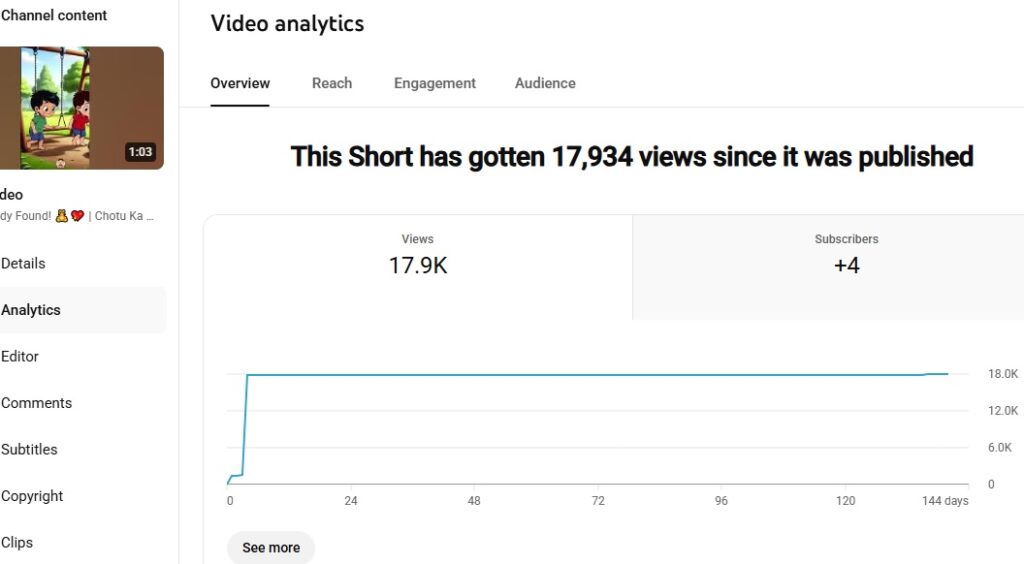
When producing content for my own animated kids’ project, Chotu Story Shots, I quickly learned that traditional YouTube growth strategies (like asking viewers to “comment below” or “hit the bell icon”) simply do not apply here.
Because the RPM is much lower, you have to rely on Volume and Retention.
- Focus on YouTube Shorts: Kids have short attention spans and swipe quickly. Creating high-paced, visually engaging storytelling Shorts is the fastest way to rack up millions of views, which compensates for the lower ad rates.
- Seamless Looping: As discussed in our previous YouTube Shorts guide, creating a narrative that loops perfectly at the end keeps the Average View Duration above 100%, signaling the algorithm to push the video to more kids.
4. Alternative Revenue Streams for Kids’ Channels
Because standard AdSense revenue is restricted by COPPA, successful kids’ creators diversify their income.
- Merchandise (Merch Shelf): If you create an original animated character that kids love, selling branded t-shirts, mugs, or coloring books through YouTube’s merch shelf is highly profitable.
- Brand Sponsorships: Toy companies, educational app developers (like coding for kids), and family-friendly brands are always looking for direct sponsorships. Even a channel with 10,000 to 50,000 subscribers can secure lucrative brand deals if the viewership is consistent.
- Music Royalties: If your channel features original nursery rhymes or background tracks, distribute that audio to Spotify and Apple Music. Parents often stream kids’ music continuously in the car or at bedtime.
Final Thoughts: COPPA didn’t kill the kids’ niche; it just changed the rules of the game. By understanding these limitations and pivoting your strategy toward high-volume Shorts and external sponsorships, you can still build a highly profitable kids’ media brand.
This was useful. A well-organized platform really changes how people experience adult content
Also visit my webpage :: http://hot.time2playgame.com/